Celia’s Mocks
The Ultimate Preparation Tool for Aspiring BCBAs
Prepare with confidence using Celia’s Mocks, expertly crafted by Dr. Celia Heyman. Renowned for its accuracy and comprehensive design, this immersive tool empowers future Board Certified Behavior Analysts (BCBAs) to refine their skills and excel on exam day.
What is Celia’s Mocks?
Celia’s Mocks is the ultimate preparation tool, meticulously designed to help aspiring BCBAs conquer the certification exam with confidence.
Accuracy You Can Trust
Realistic & Immersive
Boost Confidence for Success
Meet Dr. Celia Heyman

Dr. Heyman, Ph.D., BCBA-D
Lead Consultant at FTF Behavioral Consulting
Assistant Professor at Capella University
Dr. Heyman is a Board Certified Behavior Analyst-Doctoral (BCBA-D) with extensive experience in the field of Applied Behavior Analysis. She is committed to providing high-quality resources that support the professional growth and success of future behavior analysts.
Ready to Ace the BCBA Exam?
Your journey to becoming a Board Certified Behavior Analyst begins here. With Celia’s Mocks, you gain the confidence, preparation, and skills needed to excel in your certification exam.
Cooper, Heron, Heward Chapter Reviews
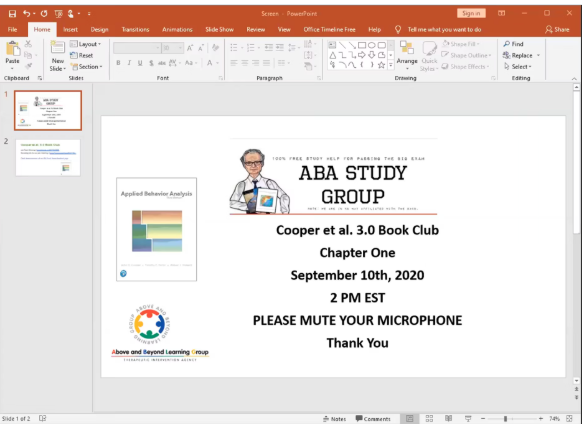
Cooper et al. 3.0 – Chapter 1: Definition and Characteristics of Applied Behavior Analysis
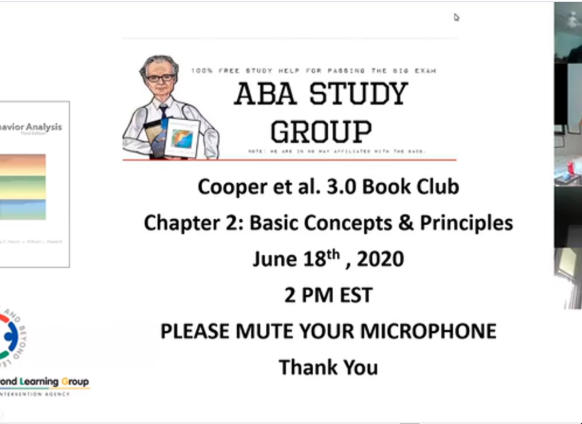
Cooper et al. 3.0 – Chapter 2: Basic Concepts & Principles

Cooper et al. 3.0 – Chapter 3: Defining and Prioritizing Target Behaviors
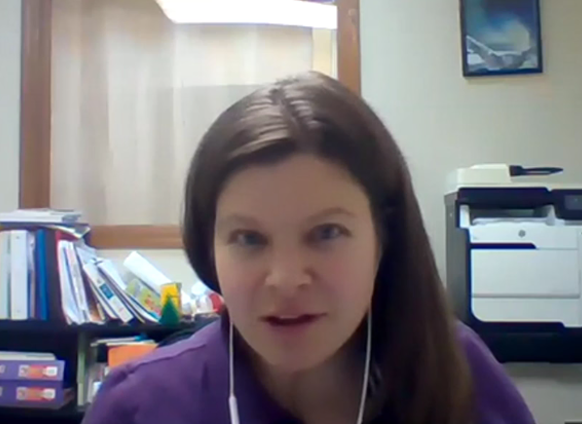
Cooper et al. 3.0 – Chapter 4: Measuring Behavior

Cooper et al. 3.0 – Chapter 5: Improving and Assessing the Quality of Behavioral Measurement
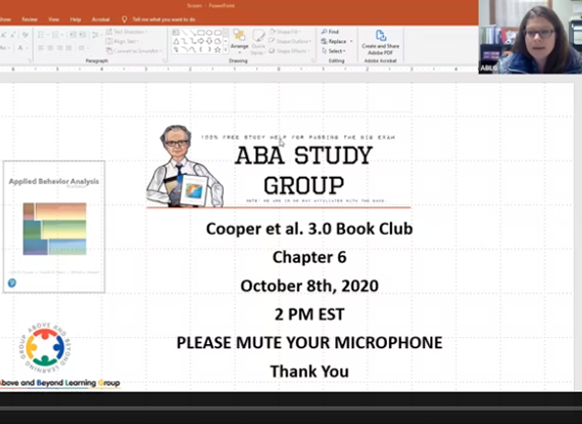
Cooper et al. 3.0 – Chapter 6: Construct and Interpret Graphic Displays of Behavioral Data
Cooper et al. 3.0 – Chapter 7 Part 1: Analyzing behavior change: Basic assumptions and strategies

Cooper et al. 3.0 – Chapter 7 Part 2: Analyzing behavior change: Basic assumptions and strategies
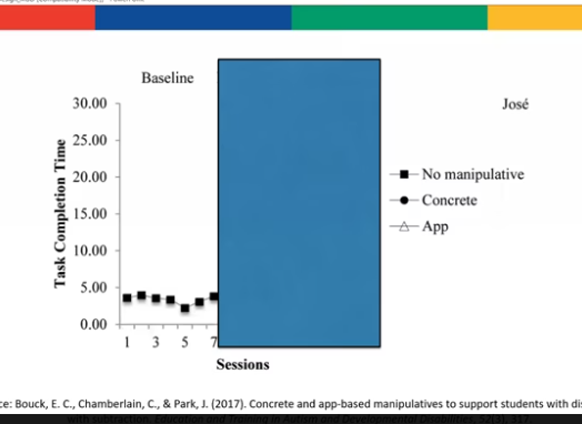
Cooper et al. 3.0 – Chapter 8 + 9

Cooper et al. 3.0 – Chapter 10: Planning and Evaluating ABA Research

Cooper et al. 3.0 – Chapter 11: Positive Reinforcement
Cooper et al. 3.0 – Chapter 12: Negative Reinforcement
Cooper et al. 3.0 – Chapter 13: Schedules of Reinforcement
Cooper et al. 3.0 – Chapter 14: Positive Punishment
Cooper et al. 3.0 – Chapter 15: Negative Punishment
Cooper et al. 3.0 – Chapter 16: Motivating Operations
Cooper et al. 3.0 – Chapter 17: Stimulus control Part 1
Cooper et al. 3.0 – Chapter 17: Stimulus control Part 2
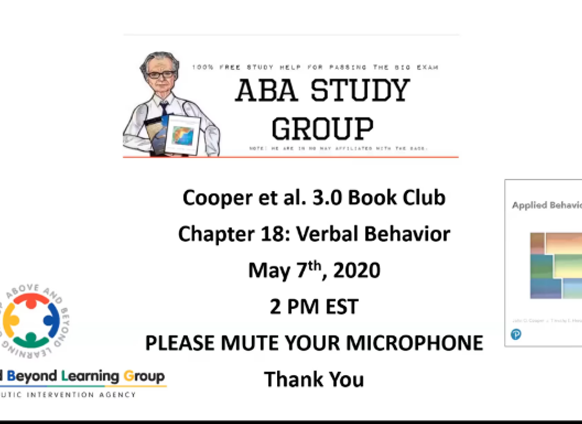
Cooper et al. 3.0 – Chapter 18: Verbal Behavior Part 1
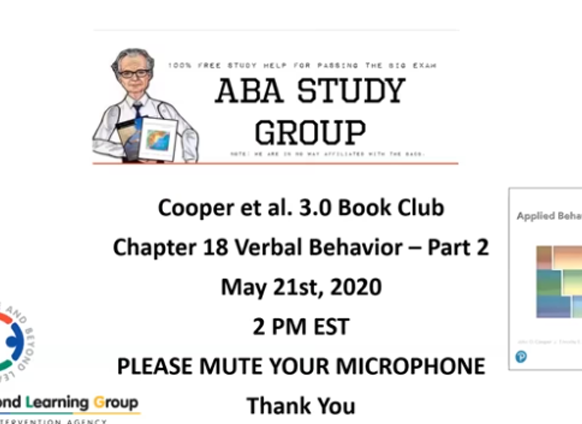
Cooper et al. 3.0 – Chapter 18: Verbal Behavior Part 2
Cooper et al. 3.0 – Chapter 19: Equivalence-based Instruction – Part 1
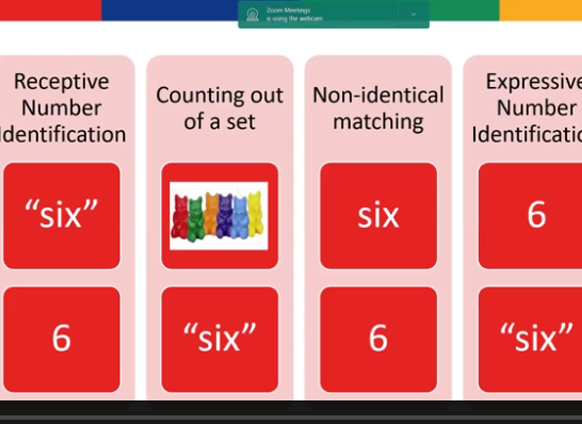
Cooper et al. 3.0 – Chapter 19: Equivalence-based Instruction – Part 2
Cooper et al. 3.0 – Chapter 20: Engineering Emergent Learning with Nonequivalence Relations Part 1

Cooper et al. 3.0 – Chapter 20: Engineering Emergent Learning with Nonequivalence Relations Part 2
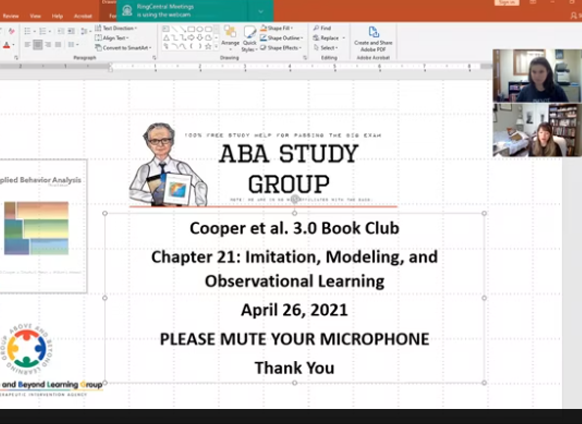
Cooper et al. 3.0 – Chapter 21: Imitation, Modeling, and Observational Learning
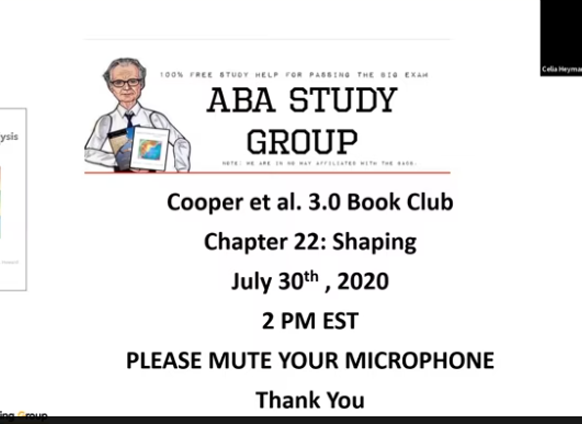
Cooper et al. 3.0 – Chapter 22: Shaping
Cooper et al. 3.0 – Chapter 23: Chaining
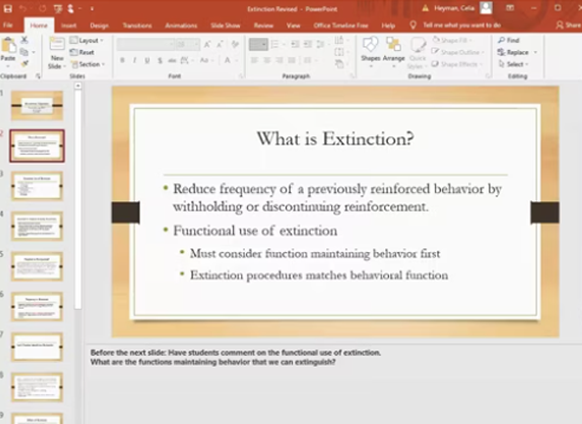
Cooper et al. 3.0 – Chapter 24: Extinction
Cooper et al. 3.0 – Chapter 25: Differential Reinforcement
Cooper et al. 3.0 – Chapter 26: Antecedent Interventions
Cooper et al. 3.0 – Chapter 27: Functional Behavior Assessment
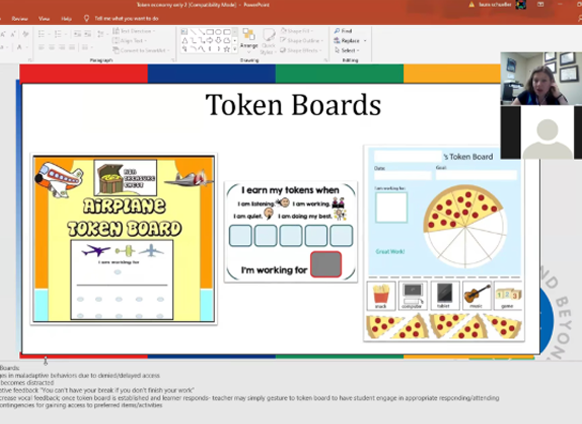
Cooper et al. 3.0 – Chapter 28: Token Economy, Group Contingencies, and Contingency Contracting
Cooper et al. 3.0 – Chapter 29: Self Management
Cooper et al. 3.0 – Chapter 30: Generalization and Maintenance
Cooper et al. 3.0 – Chapter 31: Ethics
Equip Yourself with the Best Preparation Tool Available
Step into the Examination Room with Confidence
Embark on Your Journey Towards BCBA Certification Success with Celia’s Mocks
Key Features
- Accuracy and Comprehensiveness: Meticulously crafted to mirror the format and content of the actual BCBA exam, ensuring thorough preparation.
- Immersive Experience: Designed to challenge and refine the skills of BCBA candidates through an engaging and realistic testing environment.
- Expertly Crafted: Created by Dr. Celia Heyman, an experienced BCBA-D, ensuring high-quality content and relevance.
Benefits
- Confidence Building: Provides an immersive experience that equips candidates with the confidence needed to excel in the BCBA exam.
- Skill Refinement: Helps candidates sharpen their analytical and problem-solving skills, essential for success in their professional careers.
- Success Journey: Empowers aspiring BCBAs with the knowledge and proficiency necessary to achieve their certification goals.